


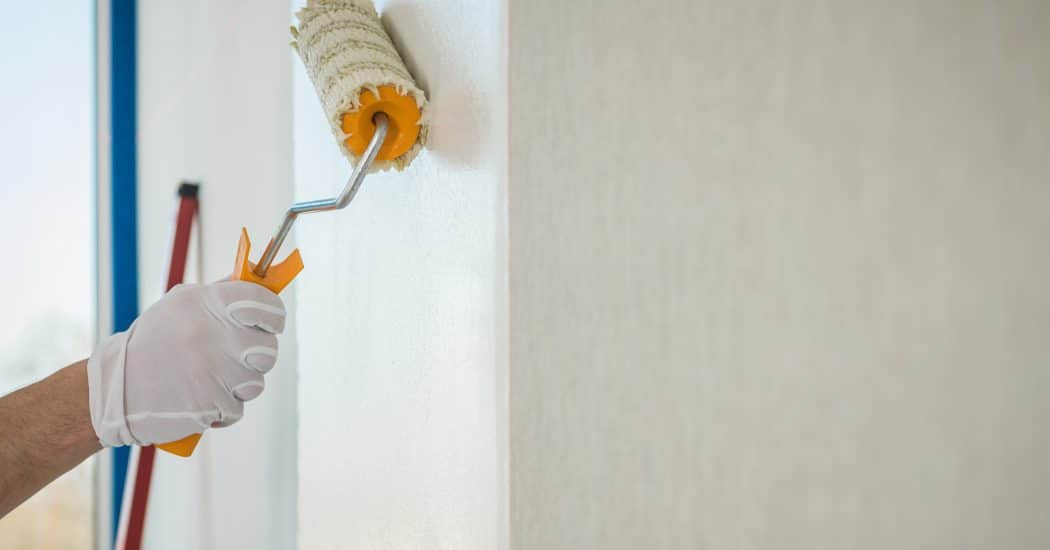
Painting over wallpaper is one good trick. If you want it to stay, you really will need to prepare it. Preparation involves washing, sealing, and having a good primer to avoid peeling or bubbling.
Our expert crew combines tried-and-true techniques and high-quality materials to get it right. Get our experts’ advice for painting over wallpaper. Contact us at TurnKey Painters.
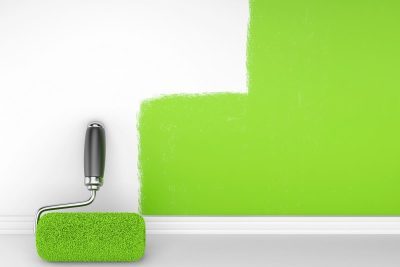
Painting over wallpaper may not be without its risks; in some cases is worth it. Obviously, before doing this, assess the condition of the wallpaper, as well as learn about the benefits vis-à-vis disadvantages and limitations of the method.
Painting over wallpaper is usually faster and less effort than removal. It helps maintain the integrity of the wall because the glue on the wallpaper is too strong, or the drywall is weak. You can entirely freshen the look of a room without doing any renovations.
If you wash and prime the wallpaper properly in preparation, you should get good results. Although blocks of primer may be needed to hide patterns or textures, they can prove just as effective as painting directly on bare walls.
The flipside is that textured or patterned wallpapers can show through, and seams can cause uneven areas needing further work. The worst scenario occurs when wallpaper has its edges loose or imperfections in glue, because paint then on it could potentially lead to crumbling or even cracking as the wallpaper underneath decays. Preparation is an essential measure against such difficulties.
Painting over wallpaper is not always the best thing to do. For instance, kitchens and bathrooms, where moisture presence can cause damage to both wallpaper and paint, should be avoided.
If the wallpaper has damage or if it is definitely unrepaired or quite rough, go for removal. For those who want to sell their house, for sure, stripping wallpaper, leaving a somewhat bare but attractive surface, will add to the value of a house.

You get the idea: painting over wallpaper can give you a professional-looking finish if done well. Get familiar with the steps.
Check for loose edges, bubbles, or peeling, and secure or remove them to avoid future issues. Assess the wallpaper type; vinyl may need extra priming. Fix any cracks or holes to ensure smooth paint adhesion.
Use a damp cloth and mild cleaner to remove dirt, grease, and dust, especially in corners. Allow the wallpaper to dry thoroughly to prevent moisture from being trapped underneath the paint.
Secure loose edges with seam repair glue. For small holes, apply spackle and feather it out. Larger holes may need additional work after priming for a seamless finish.
Primers are important. For textured or patterned wallpaper, use oil- or shellac-based primers. Brush around the edges and use a roller for the larger areas. Allow to dry thoroughly, preferably overnight, ideally in a well-ventilated space.
This top coat should be latex, which is suitable for the area. Use thin, even coats. Let each coat dry before you apply the next, possibly two to more coats, depending on the darkness or pattern on the wallpaper. Also, check for smoothness between coats.
Fortunately, painting over wallpaper is a choice in those situations when it’s impossible to remove it or it is too laborious. However, the variety and state of the wallpaper also matter a lot.
Each requires different preparation, instruments, and methods for even, durable results. Here follows an overview of salient points on the major types of wallpaper:
Vinyl wallpaper is slick and makes the paint hard to stick to. Please try a small, inconspicuous area first. Oil-based primers are necessary because water-based ones don’t stick. Due to the glossy nature of vinyl, it usually needs two or more coats of paint to equalize it. More elbow grease is usually involved here.
Fabric wallpaper is textured, and, in its very nature, the weave would show through the paint. Make sure to glue down any loose edges again before starting. A stain-blocking primer is essential to keep the dyes from bleeding through the paint. Multiple coats will need to be applied for total coverage. Enjoy the texture!
Paper wallpaper is delicate and needs to be glued down well so that it doesn’t lift when it is painted. If you over-saturate, you’ll get bubbles, so light, even coats of paint are critical. An excellent primer should start things off: a stain blocker with a nice, smooth base. Don’t forget that each coat should dry before the next, so that you don’t distress the sensitive surface.
The key to a smooth finish is proper preparation and using the right products. Choosing the right wallpaper and paint will ensure lasting results. Every project deserves careful thought.
If you want a flawless outcome or feel unsure about tackling the task yourself, our experienced team is here to help. With years of craftsmanship, we guarantee durable barnwood. Reach out to us at TurnKey Painters today to discuss your project!


