



1. Key Takeaways
2. Understanding Texture in Interior Painting
3. Types of Textures in Modern Interior Painting
4. How Texture Enhances Interior Spaces
5. Techniques for Applying Texture in Painting
6. Coordinating Texture with Other Design Elements
7. Balancing Texture for a More Inviting Space
Texture has become a standout feature in interior design, not just for aesthetic appeal. It adds depth, dimension, and personality to spaces in ways that smooth walls simply can’t match.
Whether a subtle matte finish or a bold stucco accent, textured painting elevates everyday interiors into layered, livable environments. With TurnKey Painters offering modern interior solutions, understanding the role of texture in modern interior painting becomes essential for designing meaningful, comfortable spaces.
Let’s bring new life to your walls with textures that reflect your style. Get in touch with us—we’d love to help you create a space that feels truly yours.
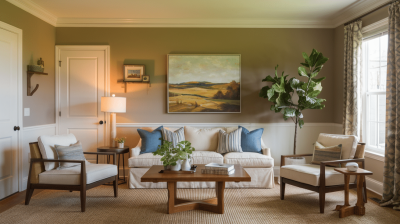
Texture isn’t just something you see; it’s something you can feel, too. Modern painting uses texture to shape how a room looks and feels. It turns flat walls into lively surfaces that catch the eye and spark interest. While smooth finishes seem cold, texture brings warmth and personality, making a space feel cozy and inviting.
The texture is all about how a painted surface feels or looks. It can be something you touch, like a rough stucco wall, or a visual effect that makes paint look like marble or wood. Methods like stippling, sponging, and combing help create these effects, adding depth beyond color.
For example:
These effects don’t only boost beauty—they also help hide imperfections and enhance durability, a smart consideration for both new builds and renovations.
In modern design, texture is essential for creating balance and interest. With so many minimalist or open-concept interiors, textured finishes add the character that might otherwise be missing. A textured accent wall can anchor a room, while a matte ceiling tone softens lighting.
Texture works hand-in-hand with:
Texture influences mood. Soft textures create comfort, rough textures energize, and reflective surfaces enhance spaciousness. In rooms that feel too stark or sterile, texture introduces subtle emotion and tactile interest. It’s a sensory layer that brings design to life.
Modern interior painting offers a wide range of textures that shape both the look and feel of a space. Blending organic, artificial, and creative textures adds balance and suits any style or room.
Matte and velvet textures are quiet and soothing, ideal for bedrooms or peaceful living rooms. These light-absorbing finishes cause rooms to feel heavy and comforting.
The coarser finishes, such as knockdown, stucco, or sand texture, add depth and drama. They’re frequently utilized in accent walls or to accentuate architectural elements such as arches or fireplace surrounds.
Dazzling finishes such as metallic paint or polished plaster enhance the current style. They’re used in kitchens, dining rooms, and bathrooms, where the reflection of light illuminates the area.
Wood grain, stone effects, or textured wallpaper give a grounded, natural quality. These finishes connect interiors to nature and align with sustainable, eco-friendly design values.
Techniques like sgraffito, stenciling, or impasto add movement and rhythm. These layered designs work well in hallways or as visual centerpieces, offering texture and artistic flair.
Texture turns neutral or minimal interiors into engaging environments. In areas where whites, grays, or subdued colors predominate, textured layers bring vibrancy and variety without blinding the eye.
Texture helps to interrupt the monotony of flat colors. For instance, contrasting soft linen drapes and a textured wall or including a pebble-finish accent within an otherwise smooth space adds tactile variation.
Blending glossy and matte finishes, or juxtaposing rough stone with smooth tiles, can create visual impact and designate zones in open-concept layouts.
Cozy fabrics like wool and velvet promote comfort, while raw wood or brick feels bold and earthy. These materials work together to personalize space and reflect taste.
Texture adds depth and interest to modern interior painting. Whether you’re creating soft fur or rugged landscapes, textured effects need creativity and the right tools.
Specialty tools help create textured finishes—trowels for stucco, sponges for organic patterns, stiff brushes for rustic lines, and rollers for uniform textures.
Dry brushing gives subtle highlights, and glazing gives smooth color gradations, the semblance of layering depth.
A matte wall with a glossy trim or textured detail brings sophistication. Those finishes tend to direct one’s gaze at particular elements, and the room comes across as being put together but full of life.
Modern interior painting often incorporates metallic flakes, sand additives, or fabric textures to add dimension. These innovations bring a custom touch to interiors, going far beyond basic paint.
The texture is what establishes the mood and personality of a room. Paired with color, light, furniture, and architecture, it provides depth and warmth and makes the room interesting and balanced.
Rough surfaces soften bright colors, while smooth ones reflect light and boost bold shades. Knowing this helps build balanced, comfortable color schemes.
Highly reflective textures boost brightness and make small spaces feel larger. Matte finishes, on the other hand, absorb light, helping large spaces feel cozy and controlled.
Mixing textures keeps spaces balanced. Soft fabrics with hard surfaces and natural with synthetic materials add contrast and visual interest.
A strongly textured wall works nicely with sleek, simple furniture to create contrast. Meanwhile, soft textures enrich upholstered seating areas.
The role of texture in modern interior painting goes beyond decoration—it shapes the mood and character of any room. When balanced well, texture adds warmth and interest that make a space truly feel like home.
At TurnKey Painters, we know how texture can elevate your interiors. Reach out to us today, and let’s create a space that feels just right for you.


