


A beautiful paint job starts with proper preparation, and power washing is essential. Dirt, grime, and peeling paint create an uneven surface that prevents paint from adhering properly. Washing these obstacles away creates a smooth surface for even application and a lasting finish. It also removes mold and mildew, ensuring a healthier indoor environment.
Skipping this step may be a shortcut, but it can result in bad adhesion, early peeling, and reduced paint life. TurnKey Painters offers professional power washing services to provide a clean, even surface for impeccable, long-term results. Get in touch with us today to schedule your power wash. Let’s start your next painting project the right way.
Power washing creates a smooth, clean surface for the paint to adhere to, extending the life of the paint. Forgetting this will result in flaking, an uneven coat, and a shorter lifespan.
It’s a must because:
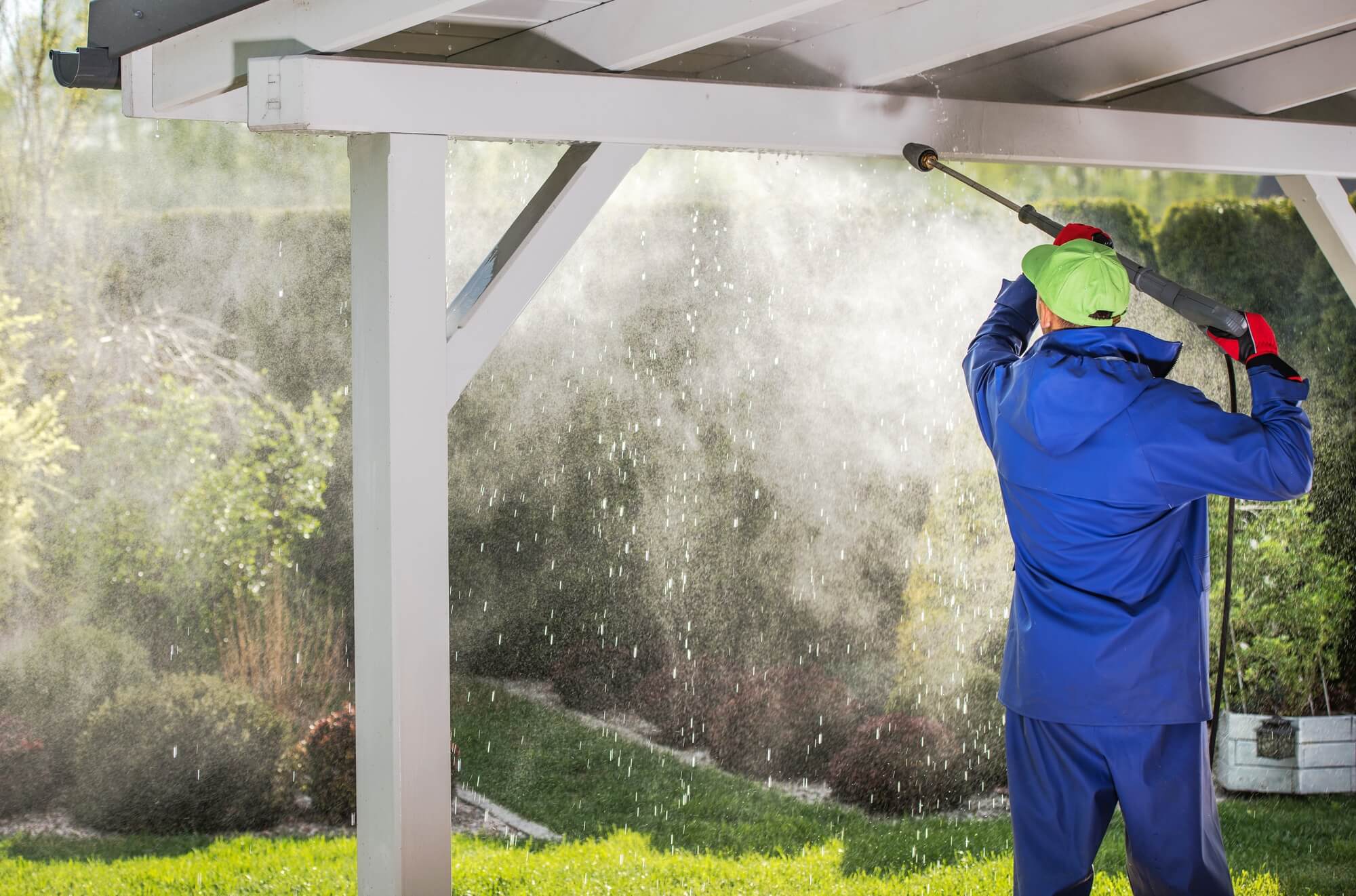 A clean surface helps paint bond properly. Peeling occurs when dirt, grease, and mildew are not removed. Power washing removes these obstacles, resulting in a durable surface and fewer repaints.
Paint lasts longer on clean surfaces. Because it is attached and does not peel or thin. Washing the electricity reduces the need for regular repainting when protecting your investment.
Aside from the benefits of cosmetics, power washing also eliminates mold and other toxic pollutants that may impact the foundation of a house and the well-being of the people living there. Publishing them before the painting provides a new start and a healthier living environment.
Power washing removes dirt buildup, making any home look new before painting. A clean surface highlights paint colors and creates a sparkling, well-kept appearance—ideal for homeowners and potential buyers.
Power washing reveals underlying concerns such as rotted timber or flaking paint, which must be fixed before painting. Addressing these concerns early on can help to avoid future damage and costly repairs.
Avoiding a power wash might cause peeling and an uneven appearance. Proper preparation leads to a smooth and long-lasting finish.
 Paint won’t stick to dirty surfaces. Even dust can cause peeling or cracking. Power washing clears contaminants for a lasting finish.
Dirty surfaces cause paint failure at an early time, flaking off after only a couple of years instead of 7-10 years. Grease, dirt, and mildew erode the paint more rapidly, requiring paint to be reapplied sooner.
Paint does not remove dirt and grime but rather holds them below the new paint layer. Then, it creates a rough texture of the surface and paint blisters, which can cause failure of the structure.
Dirt and grime provide a bumpy surface that impacts the end appearance of the paint. A clean surface washed properly will allow for even, smooth coverage and a neater finish.
Dust and moisture create ideal conditions for mold growth, which can cause long-term damage over time. Power washing makes these hazards go away, creating a healthier and clearer environment.
Power washing and cleansing are all effective cleaning methods, but they serve different goals. Understanding their differences helps choose the right approach to each surface.
High-pressure water (ranging from 1,500 to 3,000 psi) is used in power washing. PSI can be used to eliminate tough stains from hard materials like concrete. Soft washing requires a low pressure (>400 washing cycles). To ensure the safe cleaning of delicate surfaces like shingles and siding, PSI employs proprietary cleaning agents.
Selecting the proper method avoids damage while delivering a thorough clean.
Power washing removes grime for better paint adhesion. Prep the area, use the right nozzle, apply detergent, rinse, and dry thoroughly for a lasting finish.
Remove clear furniture and trash, cover plants with plastic, and close windows and doors.
Use a 25-degree nozzle for general cleaning and a 15-degree nozzle for stubborn stains. Hold the nozzle at least 12 inches from the surface.
Allow the detergent to sit for 5–10 minutes to dissolve grime. Follow the manufacturer’s instructions for the best results.
Start from the top and move downward to prevent streaking. Ensure no detergent or dirt remains.
Provide several hours (or more, depending on weather) of full drying before painting to prevent adhesion problems. Careful preparation guarantees a lasting, expert finish.
Some homeowners choose to rent a power washer and do the job themselves, while others prefer to hire experts.
Both options have pros and cons:
Applying too much pressure, the wrong detergent, or not rinsing properly can all lead to surface damage and paint adhesion inhibition. Proper processes yield a smooth, durable finish.
Power washing uses less water than hoses, and proper disposal with eco-friendly detergents helps prevent environmental harm. Using non-toxic cleaners and water recovery systems protects local ecosystems.
Power washing preps surfaces for painting, but excessive water use and harsh chemicals can harm the environment. Choosing water-efficient methods and biodegradable detergents ensures a clean surface without unnecessary waste.
At TurnKey Painters, we use eco-friendly power washing to prep your property safely and effectively. Let us handle the hard work—reach out today for a cleaner, longer-lasting paint job!


