Color in commercial spaces is a powerful marketing tool that directly influences customer emotions, perceptions, and purchasing behavior. Warm colors (red, yellow) boost energy and urgency for retail, while cool tones (blue, green) create trust and comfort. Strategic paint choices, including accent walls, enhance branding, improve customer experience, and increase sales.
Walk into any successful retail shop, restaurant, or office, and you’ll notice something that works quietly in the background: the walls are doing a job. Color is one of the most direct ways a business shapes how customers feel before a single word is spoken.
Research shows that 85% of shoppers consider color a primary factor in their purchasing decisions, and according to the CCICOLOR Institute for Color Research, between 62% and 90% of a customer’s snap judgment about a product or environment is based on color alone, formed within the first 90 seconds.
At TurnKey Painters, we’ve spent years helping New Orleans businesses use paint as a strategic tool, not just a finishing touch. Whether you need a fresh coat on a retail storefront or a full interior overhaul, our team is ready to help. Contact us today for a free estimate.
Color psychology is the study of how colors influence human emotions, perceptions, and actions. For commercial spaces, this directly shapes how long customers stay, how much they spend, and whether they come back.
 Every color carries a psychological weight. Blues tend to slow the heart rate and build trust. Reds increase energy and urgency. Greens signal health and calm. These responses aren’t random; they’re deeply connected to how the human brain processes visual information.
A space painted with no strategic intent can leave customers feeling uneasy without knowing why. By contrast, a thoughtfully painted commercial interior guides emotional responses, keeps customers comfortable, and reinforces what your brand stands for.
Research widely cited in marketing, including from the University of Loyola Maryland, indicates that color can increase brand recognition by as much as 80%. That means the colors on your walls are part of your brand identity, whether you plan for it or not.
Retail spaces benefit most from colors that trigger emotional engagement without overwhelming the shopper. The right choice depends on your product type, price point, and target audience.
Red increases heart rate, signals urgency, and works well near checkout areas and promotional displays. Use it as an accent, not a wall-to-wall color. Orange delivers similar energy at a lower intensity, making it a better fit for casual, approachable retail environments.
Blue is the most universally preferred color and works well for stores selling higher-priced items. Its calming effect reduces the friction that comes with big purchases. Darker navy tones signal exclusivity, while softer blues keep the space open and welcoming.
Warm whites, off-whites, and soft beiges give products room to breathe. They read as sophisticated without competing for attention. The key is warmth: stark white can feel clinical, while whites with beige undertones feel polished and inviting.
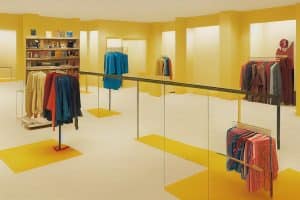
For commercial interior painting projects in retail, pair a neutral base with a bold accent wall near product displays or fitting rooms. A single deep-toned wall draws the eye and shapes the shopping experience without overwhelming the space.
Restaurant paint colors directly influence appetite, mood, and how long guests linger. The ideal palette depends on your concept, price point, and target dining experience.
Red stimulates appetite and creates energy that keeps a dining room moving, which is why fast food chains have relied on it for decades. Orange is a softer alternative with the same hunger-triggering quality, making it a natural fit for brunch spots, cafes, and neighborhood eateries.
Rich burgundy, forest green, and warm navy signal quality and encourage guests to slow down. According to Environmental Psychology research, green walls reduce customer anxiety and support longer, more comfortable dining experiences. These deeper tones also pair naturally with warm mood lighting to create intimacy.

Deep terracotta, sage green, and warm brown create an organic environment that feels both welcoming and authentic. These palettes work especially well for farm-to-table concepts and Southern cuisine, the kind of community-rooted identity that resonates across New Orleans.
Your exterior sets the tone before anyone walks through the door. A faded or peeling facade undercuts even the most thoughtfully designed interior. Pair your color strategy inside and out so the full experience feels cohesive.
Blue, gray, and soft green are the most effective paint colors for office environments. These tones help employees and clients feel calm, confident, and engaged.
Law firms, financial institutions, and healthcare offices lean heavily on blue because it signals stability. Deeper navy works well in boardrooms and reception areas. Lighter sky blues suit open workspaces where approachability and clear thinking matter more than authority.
Gray reads as modern and polished without feeling cold. Paired with warm white ceilings and natural light, it creates a workspace that feels sharp and welcoming. Lighter grays open up smaller offices; charcoal tones add seriousness to conference rooms and executive spaces.
Research from the University of Texas found that blue and green office environments significantly outperform white and red ones in employee productivity and mood. Green in particular reduces eye strain, lowers mental fatigue, and creates a restorative effect that supports sustained focus during long work hours.
Lobbies and waiting areas form the first impression before a meeting begins. A fresh, well-chosen paint color in an entry area immediately signals that your business is organized and attentive to detail. Explore professional interior painting services tailored to your office’s brand and function.
Your building’s exterior is the first piece of marketing a potential customer sees. Curb appeal directly affects foot traffic, and a fresh exterior paint job is one of the most cost-effective ways to improve it.
Warm neutrals like tan, cream, and light gray are widely used for commercial exteriors because they read as professional and welcoming without being loud. They also photograph well, which matters for online search results and map listings.
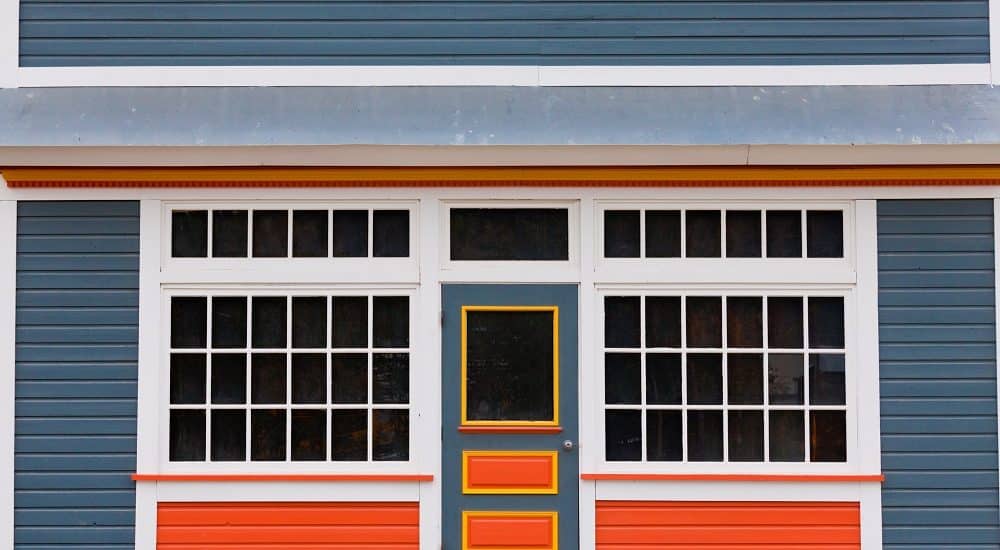
Bold accent colors on doors, trim, or signage can make a storefront memorable. A navy door against a white or gray facade communicates confidence and makes your location easy to find and remember.
Research consistently shows that homes and commercial properties with strong curb appeal command higher perceived value, with well-maintained exteriors selling for an average of 7% more than comparable properties with neglected facades.
In humid climates like New Orleans, choosing a commercial exterior painting contractor experienced with local weather conditions ensures the finish holds up long-term.
The most effective commercial paint palettes are those that mirror the brand’s personality, values, and target audience. Start with your brand colors, then build around them using complementary tones that reinforce the right emotional cues for your space and customer base.
 Build out with complementary tones: Use a color wheel to identify analogous or complementary shades that deepen the effect without clashing. Brands like Sherwin-Williams and Benjamin Moore offer commercial consultation tools and sample programs specifically for business owners navigating this process.
Color shapes perception, drives behavior, and reinforces brand identity. A well-planned paint strategy turns ordinary walls into a quiet, powerful sales and trust-building tool for your business.
At TurnKey Painters, we bring that strategy to life with professional commercial painting services throughout New Orleans and surrounding communities.
Ready to get started? Call us today!
Yes. Studies in consumer psychology show that color directly affects dwell time. Warm tones like orange and red create energy that speeds up the pace of movement, which benefits fast-casual environments. Cool tones like blue and green slow the pace, encouraging customers to browse longer, which benefits retail stores and sit-down restaurants.
Red and orange are the most effective colors for driving impulse purchases due to their connection to urgency and excitement. However, the best choice depends on your product and audience. Premium brands often perform better with cool neutrals and blues that signal quality and calm the shopping process.
Most commercial interiors benefit from repainting every three to five years, depending on traffic levels and surface type. High-traffic areas like hallways, lobbies, and retail floors may need attention sooner. Exteriors in humid climates like New Orleans typically need repainting every four to six years.
Yes. Research from the University of Texas found that blue and green office environments significantly improve employee productivity and mood compared to white or red ones. Blue promotes focus and reduces distractions, while yellow stimulates creativity. Avoid overusing red in office environments, as it can increase stress over extended periods.
Satin and semi-gloss finishes are most practical for commercial interiors because they’re easier to clean and hold up better against scuffs and moisture. Eggshell works well in lower-traffic areas like conference rooms and waiting areas. Flat or matte finishes are generally avoided in high-traffic commercial settings.
Consistency between exterior and interior color schemes strengthens brand recognition. Your exterior sets the expectation, and your interior should deliver on it. You don’t need exact matches, but the tones should feel related and intentional, both reflecting the same brand personality.
Yes. Product-based retail relies more heavily on impulse-triggering colors like red, orange, and yellow. Service businesses like law offices, medical practices, and financial firms prioritize trust-building tones like blue, gray, and soft green. Mixed-use or restaurant concepts pull from both, using warm tones for energy and cooler tones for extended comfort.