Painting over wallpaper can be an effective way to update a room without going through the hassle of removal. When the surface is cleaned, repaired, and primed correctly, the final finish can look smooth and long-lasting.
TurnKey Painters specializes in preparing and painting wallpapered surfaces with techniques that prevent peeling, bubbling, and premature wear.
Contact us today to schedule a professional assessment for your home.
Painting over wallpaper is possible, but only when the surface is stable and properly prepared. Check the wallpaper’s condition and type to avoid problems later on.
 Painting over wallpaper is often quicker and requires less effort than removing it entirely. It can help protect older drywall, especially when the adhesive is extremely strong or the wall surface is fragile.
When the wallpaper is washed, sealed, repaired, and primed correctly, the painted finish can look clean and updated. A high-quality primer can also help cover light patterns and subtle textures, making this method a workable option in many homes.
It is important to be aware of potential challenges. Patterns or textures may still show through the paint, especially if they are bold or raised.
Seams can remain visible and may require extra smoothing. If the wallpaper already has loose edges, bubbling, or weak adhesive, applying paint on top can worsen the problem. These issues show how important it is to prepare the surface carefully before the first coat goes on.
Certain environments increase the risk of failure. High-moisture areas such as bathrooms and kitchens can trap humidity behind the wallpaper, which affects both the wallpaper and the paint.
If the wallpaper is damaged, heavily textured, or visibly deteriorating, removal is the better choice. Some homeowners also prefer a clean surface when preparing a house for sale, which makes removal more appealing for resale value.
A professional-looking finish is possible when the proper steps are followed without rushing the process.
Begin by checking the walls for lifting seams, cracks, bubbling, peeling sections, or other imperfections. Any unstable areas need to be secured or removed to prevent future issues. Identifying the wallpaper type is also helpful because certain surfaces, such as vinyl, require additional priming for proper adhesion.
Clean the wallpaper with a damp cloth and a mild soap solution to remove grease, dust, and dirt. Pay attention to corners and high-touch areas. Allow the wallpaper to dry completely. Painting over moisture can lead to bubbling or peeling later.
 Secure any loose seams with seam glue. Use spackle to fill small dents or holes and smooth them carefully to keep the surface even. Larger imperfections may require patching and additional priming to match the rest of the wall.
Priming is one of the most important steps. Oil-based and shellac-based primers work best because they create a strong barrier between the wallpaper and the paint.
Apply primer around edges with a brush and use a roller for the rest of the wall. Allow the primer to dry fully, ideally overnight, before moving on to painting. This creates a stable base that increases the durability of the finish.
Use a high-quality latex topcoat. Apply thin, even layers and allow each coat to dry completely before adding the next. Depending on the wallpaper color or pattern, you may need two or more coats to achieve full coverage. Light sanding between coats can help maintain smoothness.
Different wallpaper materials respond differently to paint, so understanding the type you have will help you plan effectively.
Vinyl wallpaper has a slick and nonporous surface, which makes paint adhesion more challenging. Oil-based primer is essential because water-based primers do not bond well to vinyl. This type of wallpaper usually needs more than one coat of paint because of its glossy
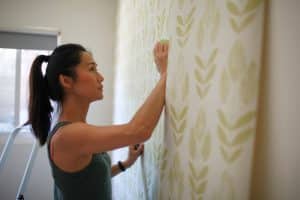 Fabric wallpaper has a textured weave that may show through the paint. Before painting, secure all seams tightly and apply a stain-blocking primer to prevent fabric dyes from bleeding. Several coats may be needed for complete coverage. A painted fabric finish often has a distinctive textured look that some homeowners find attractive.
Paper wallpaper is fragile and absorbs moisture easily. It is more likely to bubble if oversaturated, so both primer and paint should be applied in thin, controlled layers. Allow each coat to dry completely before applying the next. A smooth, stain-blocking primer creates the best foundation for painting over this delicate material.
A smooth and long-lasting finish begins with the right products and proper wallpaper preparation. Homeowners who want a clean, even result or who are uncertain about the condition of their walls can benefit from the skill and attention to detail that a professional provides.
When the correct techniques, high-quality primers, and precise application come together, the outcome is both durable and visually consistent. At TurnKey Painters, our team specializes in preparing and painting wallpapered surfaces with care, ensuring a finish that remains smooth and stable over time.
Call us today to schedule your service and get expert support for your next wall improvement project.