


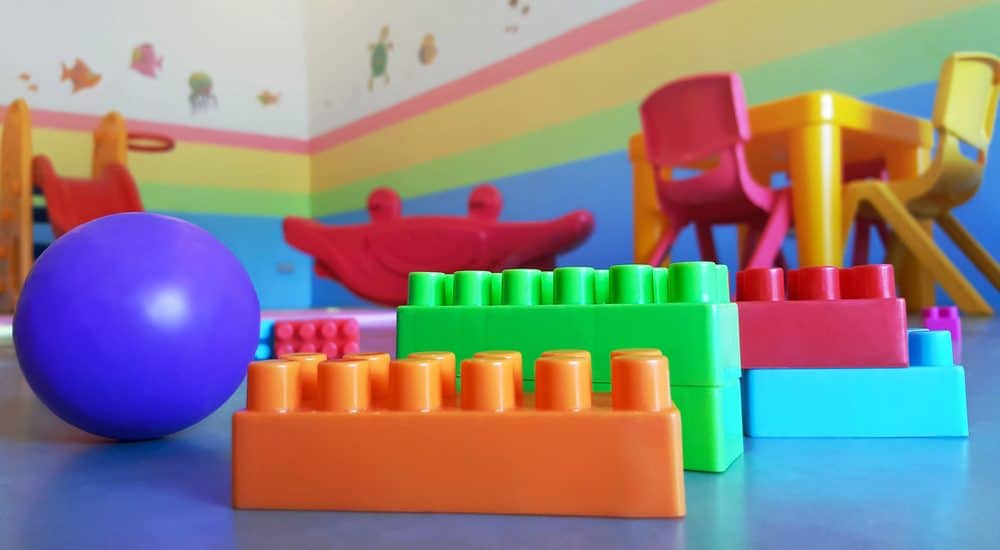
To pick the safest paint for a nursery or playroom, select water-based, non-toxic, and zero-VOC (volatile organic compound) or low-VOC formulas to ensure healthy indoor air quality.
Your baby’s nursery is more than a room with a crib. It’s the space where your child sleeps, breathes, and grows every single day. The paint on those walls affects indoor air quality long after it dries, which makes choosing child-friendly paint one of the most important decisions during any nursery or playroom project.
At TurnKey Painters, we specialize in interior and exterior residential and commercial painting throughout New Orleans. From nurseries to full home repaints, our team delivers clean, professional results every time.
Contact us today for a free estimate.
A child-friendly paint is a water-based formula that releases very few volatile organic compounds (VOCs) into the air. VOCs are carbon-based chemicals that evaporate at room temperature and can irritate the eyes, skin, and respiratory system. According to the U.S. Environmental Protection Agency (EPA), indoor air is often two to five times more polluted than outdoor air.
 For nurseries, you want paints labeled zero-VOC or low-VOC. Zero-VOC generally means fewer than 5 grams of VOCs per liter, while low-VOC sits below 50 grams per liter.
The label alone does not tell the full story. Some paints labeled “low-VOC” still contain harmful additives like alkylphenol ethoxylates (APEs), which are suspected endocrine disruptors. Third-party testing confirms whether a product actually meets strict emission standards.
The most reliable way to confirm safety is through independent third-party certifications that test paints for chemical emissions, heavy metals, and toxic substances.
Look for certifications that test for hundreds of individual VOCs and set strict limits on total emissions. The strongest programs also measure formaldehyde levels separately, since formaldehyde is a known carcinogen found in many conventional paints.
Check the can or the manufacturer’s website for certification logos. Any paint without independent testing should raise a red flag for a space where a baby will spend 12 or more hours a day.
The safest nursery paints are water-based (also called latex or acrylic latex), use low-toxicity pigments, and skip harsh additives.
Watch for these red flags on any paint label:
Oil-based paints contain higher VOC levels and are harder to clean up, making them a poor fit for children’s rooms. Water-based formulas dry faster, produce less odor, and clean up with soap and water.
The finish you pick affects how well walls hold up to sticky fingers, crayon marks, and daily wear. Each sheen level has tradeoffs.
The most popular choice for nursery walls. It has a soft, low sheen that hides minor surface flaws while still being washable with warm soapy water.
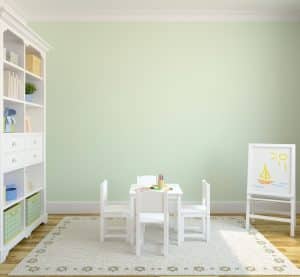 Offers a slightly higher sheen and even more scrub resistance. A strong pick for playrooms where kids are older and rougher on the walls.
Hides imperfections well but does not hold up to repeated scrubbing. Best for low-traffic spaces or ceilings.
Cleans easily and works well on trim, doors, and cabinets, but shows every bump and brush mark on large wall surfaces.
Match the finish to the room’s purpose. A newborn nursery might use eggshell on the walls and semi-gloss on the trim. A playroom benefits from satin walls that handle heavier cleaning.
Natural paints made from plant oils, minerals, clay, or milk proteins (casein) have real advantages for children’s spaces. They release minimal to no synthetic chemical emissions, carry very little odor, and biodegrade more easily than conventional options.
Natural paints cost more per gallon, offer fewer color options, and may not last as long in high-traffic areas. For families who want health benefits without sacrificing toughness, a certified zero-VOC acrylic latex delivers low emissions with a durable finish.
Not all VOCs carry the same risk. Five compounds show up most often in conventional paints and carry documented health concerns.
Many paints continue to release these chemicals at low levels for weeks after application, a process called off-gassing. Choosing zero-VOC products and allowing proper ventilation cuts exposure significantly. Keep windows open for at least 48 hours after painting a nursery and wait 7 to 14 days before a baby sleeps in the room.
Research in color psychology suggests that certain tones can influence calm, energy, and focus in children.
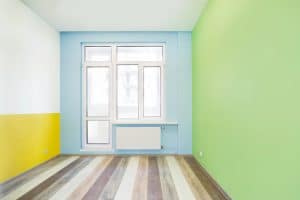 Soft blues and greens tend to promote relaxation, making them popular for newborn nurseries where sleep quality matters most. Warm neutrals like beige, soft gray, and cream create a flexible backdrop that adapts as your child grows.
Brighter colors like yellow and coral can energize a playroom and spark creativity, but overwhelming amounts of saturated color may overstimulate younger children.
Pick one accent color and keep the remaining walls in a calming neutral. You can always add brighter tones through wall art or bedding as your child gets older.
Picking the right paint for a nursery or playroom takes more research than most parents expect. Between VOC levels, certifications, finishes, and ingredient lists, the details add up fast.
If you are in the New Orleans area and want professional help, TurnKey Painters is here for you. We select only certified, low-VOC or zero-VOC products for every children’s room project. Call us today for your next painting project!
The safest option is a zero-VOC, water-based paint backed by independent third-party certification for low chemical emissions. Look for products tested for hundreds of individual VOCs and compliant with strict standards like those set by the California Department of Public Health (CDPH). Water-based acrylic latex formulas with full ingredient disclosure give parents the most confidence.
Most zero-VOC paint manufacturers recommend waiting at least 24 to 48 hours for the paint to dry completely. For a baby’s nursery, waiting 7 to 14 days with good ventilation allows full curing and brings off-gassing levels as close to zero as possible. Opening windows and running fans during this period speeds up the process considerably.
No. Low-VOC paint contains fewer than 50 grams of volatile organic compounds per liter, while zero-VOC paint contains fewer than 5 grams per liter. Both are safer than conventional paints, but zero-VOC products produce almost no detectable odor and release far fewer chemicals into the air. For nurseries and rooms used by infants, zero-VOC is the better choice.
Satin finish offers the best balance of durability and cleanability for playrooms. It resists scuffing and handles scrubbing with warm water and a soft cloth without losing its sheen. Eggshell is a close second and works well for less heavily used children’s spaces like bedrooms and nurseries.
Standard wall paint is not recommended for cribs or furniture that a baby may chew on. Look for zero-VOC furniture paints that carry toy-safety certifications, which confirm the product is safe even if ingested in small amounts. Several brands make nursery-specific lines designed for cribs, toys, and children’s furniture with these certifications built in.
Yes. Milk paint is made from casein (milk protein), chalk, clay, and natural pigments. It produces very low odor and no synthetic chemical emissions. The main drawback is that milk paint may need a protective topcoat in areas that get heavy use or frequent cleaning. Plant-based mineral paints are another natural category growing in popularity for nurseries.
The American Pregnancy Association advises that household painting likely involves very low chemical exposure, but recommends having someone else handle the job when possible. Even with zero-VOC products, wet paint releases more compounds than dry paint. Have a partner, friend, or professional painter handle the work, and ventilate the room thoroughly before spending time inside.


